Where to Invest in 2026? Moving Beyond Asset Classes to Think in Megatrends
.avif)
For several days now, the team has been asking me to write an article on the best investments for 2026. As the end of the year approaches, this is a frequent search engine query, and we need to look after our SEO. Furthermore, it reinforces our position as an expert brand and our credibility.
But three things have held me back until now.First, making investment recommendations is not our core business. Second, I have no skin in the game, because it is simply not how I invest. Finally: I don't know. It would take me dozens of research hours to form a structured opinion, and even then, it would remain fragile compared to those who dedicate their lives to this exercise.
So, I decided not to do it.This article will not tell you which assets might perform strongly in 2026. Unlike the usual guides comparing the returns of savings accounts, life insurance, or real estate, I am going to propose another way to invest.
Investing is about having an opinion on the future. And that opinion depends on the story you choose to believe. This is what we call the megatrend approach.
[[cta-discover]]
Why Traditional Asset Management is No Longer Enough in 2026
The modern conception of a balanced portfolio relies on diversifying across asset classes and arbitrating between their risk/return profiles. This requires a very fine knowledge of different products (Real Estate, Stock Market, Private Equity) based on risk management.
Defensive Asset Classes vs. Offensive Megatrends
Fundamentally, the asset class approach is defensive: it seeks to optimize a portfolio within a given world.The megatrend approach is offensive: it bets on the transformation of that world. It prioritizes long-term structural forces and focuses on their narratives.
Investing Like Warren Buffett: The Choice of Thematic Concentration
In a way, this approach is the macro-economic counterpart to the micro-economic stock picking approach popularized by Warren Buffett. Berkshire Hathaway’s portfolio is famously concentrated. Just as the stock picker accepts high concentration to capture a deep conviction, the megatrend investor accepts thematic concentration to capture a historical transformation.
Personally, I have chosen a single megatrend and concentrate all my time and investments there. I see four megatrends that will define the 50 or so years I have left.
[[cta-platform]]
The 4 Megatrends at the Heart of Portfolio Construction
1. Climate Disruption (The Physical Crisis)
Climate disruption is not just an ecological crisis. It is a fundamental challenge to the economic systems dictated by energy transition. we must replace 250 years of infrastructure based on fossil fuels.
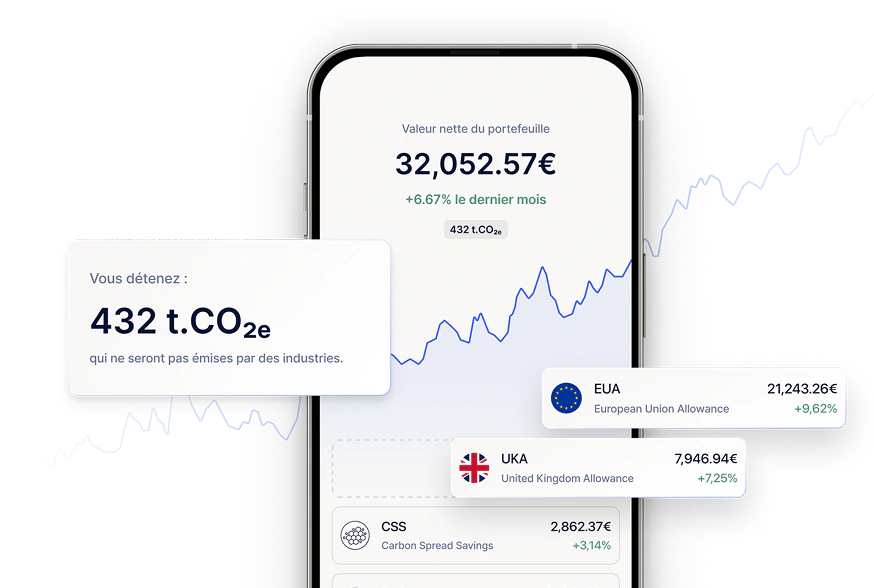
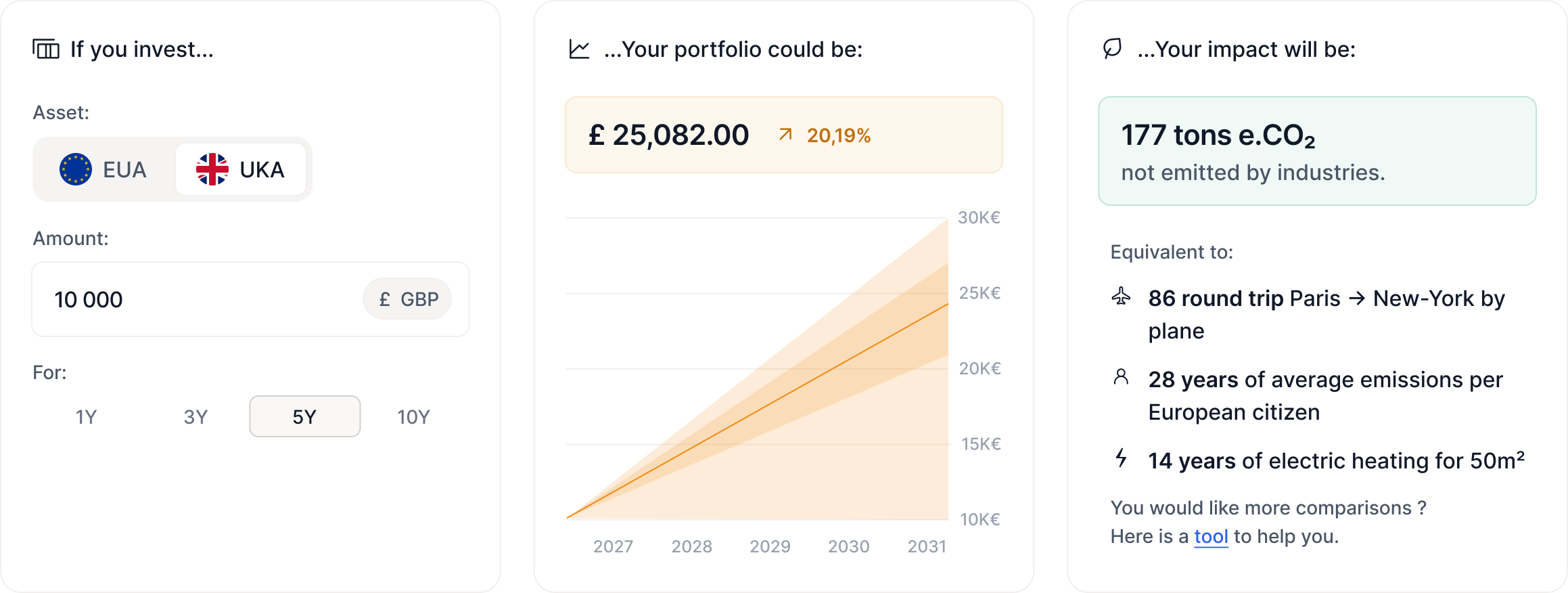
For an investor, the opportunities are cross-sectoral: electrification, grids, batteries, but also capital steering. These opportunities affect all asset classes, particularly EU Carbon Allowances (EU ETS), which are at the core of industrial decarbonization.
2. Depopulation (The Biological Crisis)
Accelerated aging and the collapse of birth rates is unique in history. It is a true civilizational "black swan" that challenges growth models. As highlighted by demographic studies, this shift leads to labor scarcity. Here, value is captured through robotics, automation, and Artificial Intelligence.
3. Post-Truth (The Epistemological Crisis)
We are experiencing a rupture in our collective relationship with knowledge. Information fragmentation and generative AI are transforming how societies form representations of reality. This crisis affects trust and markets. It is another reason why some seek to store wealth outside of traditional banks.
A Note on Artificial Intelligence: The Multiplier
To me, AI is not a megatrend in itself. It is an acceleration technology, transversal to several trends. It accelerates the energy transition by increasing electricity needs, multiplies informational noise, and may be a partial answer to depopulation through productivity. It is not an investment destination, but a systemic multiplier.
4. The Return of Force (The Political Crisis)
After several decades of relative peace, force is returning as a central instrument of international relations. Rearmament, geopolitical fragmentation, and sovereignty: the world is becoming conflictual again. This brings themes like defense or strategic raw materials back to the forefront. Understanding how to invest in the defense industry is becoming essential in this new context.
[[cta-simulateur]]
Summary: Applying the Megatrend Approach in 3 Steps
To take action in 2026, here is how to structure your thinking:
- Choose your narrative: What is the future you anticipate, and which one do you wish to see emerge?
- Identify structural assets: Look for tools that directly finance these transitions, such as carbon assets.
- Think long-term: Megatrends do not predict next year’s performance; they indicate the world we will live in.