QHSE 2026 for Everyone: A Clear Guide to Quality, Health and Safety

Do you often wonder what the acronym QHSE really means, seen on worksites, in annual reports, or in job postings? Far from being mere administrative jargon, it is in fact the nervous system of any modern organization—an essential framework that ensures its performance, longevity, and responsibility.
The Quality, Hygiene, Safety, Environment approach is now much more than a series of regulatory constraints. It is a strategic lever that shapes a company’s culture, protects its employees and its ecosystem, and strengthens customer trust. Understanding how it works means deciphering how the best-performing companies reconcile profitability with positive impact.
What is QHSE? Definition of a strategic pillar
The acronym QHSE refers to an area of expertise bringing together four interdependent pillars: Quality, Hygiene, Safety and Environment. The aim of such an approach is to implement an integrated management system focused on continuous improvement across all of these dimensions. It is a global approach that structures how the company operates to prevent risks, ensure compliance, and optimize performance.
Although QHSE is the most common term, you may sometimes come across variants such as QSE (Quality, Safety, Environment), HSE (Hygiene, Safety, Environment) or even HSSE (Hygiene, Safety, Security, Environment), depending on the priorities of the sector.
Beyond simple compliance with standards, QHSE management is a philosophy. It aims to embed good practices at the heart of processes, from product design to delivery, including the well-being of the teams who produce it. It is the guarantee that the company operates safely, responsibly, and efficiently.
The 4 pillars of QHSE explained
Each letter of the QHSE acronym represents a specific area of action, connected to the others. The system’s effectiveness relies on the synergy between these four components.
Quality (Q): much more than a compliant product
The “Quality” dimension is not limited to checking whether a final product or service is compliant. It covers all processes that contribute to customer satisfaction and organizational efficiency. The goal is to reduce the costs of poor quality by establishing methods aimed at getting it right “the first time”.
This involves:
- Process optimization: mapping, analyzing and improving value chains.
- Supplier control: ensuring the quality and reliability of raw materials.
- Customer listening: integrating feedback to continuously improve the offering.
- Traceability: being able to track a product at every stage of its manufacturing.
The international benchmark standard for quality management is ISO 9001. It provides a framework for implementing an effective, customer-oriented system.
Hygiene (H): a healthy work environment
Often associated with safety, hygiene focuses on preventing occupational illnesses, which result from more or less prolonged exposure to a risk. The aim is to ensure a work environment that does not harm employees’ health in the short or long term.
Concrete actions include:
- Exposure monitoring: measuring and controlling air quality, noise levels, or vibrations.
- Chemical risk management: complying with regulations such as REACH and providing information on handling hazardous products.
- Prevention of musculoskeletal disorders (MSDs): adapting workstation ergonomics.
- Taking psychosocial risks (PSR) into account: assessing and preventing stress, burnout and other factors of mental distress.
Safety (S): toward the “zero accidents” goal
Safety aims to prevent workplace and commuting accidents. The absolute priority is to ensure employees’ physical and mental integrity. The employer has a legal obligation to inform, train, and protect its teams against identified risks.
Safety management is built around several tools and principles:
- Risk assessment: formalized in the Document Unique d'Évaluation des Risques Professionnels (DUERP), mandatory in all companies.
- Priority to collective protection: collective protective equipment (EPC), such as a guardrail or a ventilation system, is always favored over personal protective equipment (EPI) such as a helmet or gloves.
- Ongoing training: regular sessions are organized to reinforce best practices and train on new procedures.
- Incident analysis: every accident or “near miss” is analyzed to learn lessons and prevent recurrence.
The benchmark standard is ISO 45001, which defines the requirements for an occupational health and safety management system.
Environment (E): responsibility beyond the company’s walls
The “Environment” component has taken on considerable importance in recent years. It involves identifying, controlling, and reducing the impact of the company’s activities on its ecosystem. It is an essential pillar of the ecological transition and sustainability.
The main areas of work are:
- Waste management: sorting, recycling, recovery.
- Managing energy and water consumption.
- Pollution prevention: releases into air, water, or soil.
- Reducing the carbon footprint: measuring and reducing greenhouse gas emissions.
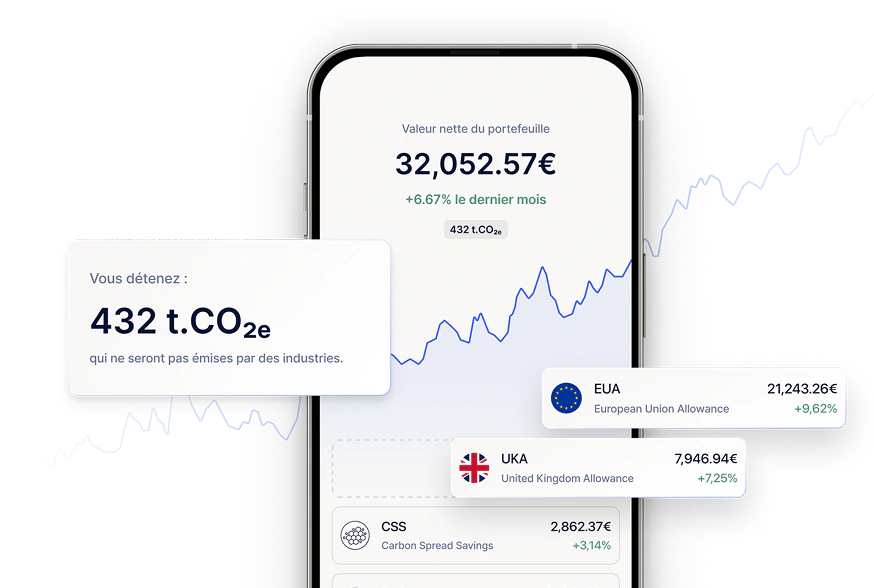
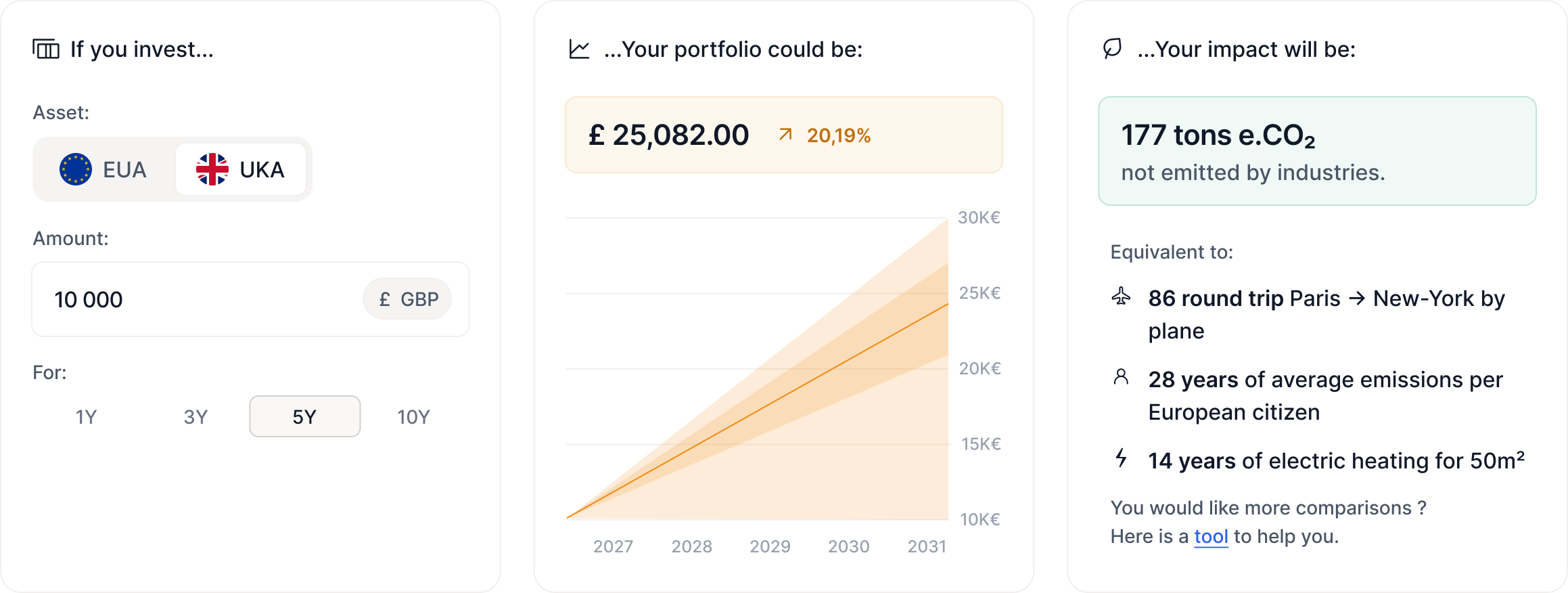
For many European industries, this effort is framed by ambitious regulations such as the EU Emissions Trading System (EU ETS). This mechanism requires the biggest polluters to buy “rights to pollute” to cover their emissions, thereby creating a carbon price that provides a financial incentive to decarbonize. It is a perfect example of how environmental regulatory pressure becomes a powerful engine for innovation. Platforms like Homaio now even make it possible to participate in this market, aligning impact finance and climate action by removing allowances from circulation to accelerate the transition. The ISO 14001 standard is the reference for environmental management systems.
Why has QHSE become essential for businesses?
Far from being a mere cost center, a well-executed QHSE policy is a genuine strategic investment that generates multiple benefits.
First, regulatory compliance is the foundation of the approach. Complying with the law helps avoid financial penalties, shutdowns, and legal proceedings. Organizations such as INRS, Assurance Maladie (via CARSAT) or ADEME ensure these obligations are met.
Next, QHSE is a powerful driver of economic performance. Accident prevention reduces costs related to sick leave and contributions. Quality improvement reduces scrap and customer returns. Energy optimization lowers bills. Ultimately, a better-organized and safer company is a more profitable company.
Finally, it is a key factor for social responsibility and attractiveness. A strong culture of safety and well-being improves employee engagement and retention. An environmentally respectful corporate image attracts talent and customers who are increasingly sensitive to these issues. QHSE is often the operational arm of a broader CSR (Corporate Social Responsibility) strategy.
Expert tip
Don’t try to revolutionize everything overnight. A successful QHSE approach often starts with targeted, pragmatic actions. Identify the most significant or most frequent risk in your activity (for example, slips and trips or cuts) and focus your efforts on reducing it drastically. These quick “small wins” will create positive momentum and demonstrate the value of the approach to all teams.
Implementing a QHSE approach: key steps
Deploying a QHSE management system is a company-wide project that requires method and involvement from everyone. The approach often draws on the “PDCA” continuous improvement cycle (Plan-Do-Check-Act).
1. Diagnosis and management commitment
No QHSE approach can succeed without strong, visible leadership from top management. This first phase consists of:
- Carrying out an initial assessment: Where does the company stand with regard to regulations and best practices? What are its main risks?
- Defining a QHSE policy: drafting a clear document that sets out the company’s ambitions, commitments, and major objectives.
- Allocating resources: planning the budget, time, and staff required.
2. Planning and structuring
Based on the diagnosis, the goal is to build the action plan.
- Identifying requirements: listing all applicable legal, regulatory, and standards-based obligations.
- Setting measurable objectives: for example, “reduce the number of lost-time accidents by 15 % in one year” or “reduce electricity consumption by 5 %”.
- Writing procedures: formalizing ways of working for critical activities (managing non-conformities, preventive maintenance, internal audits, etc.).
- Defining roles: who does what? The role of the QHSE manager is central, but responsibility is shared at every level.
3. Rollout and training
This is the phase of concrete implementation in the field.
- Communicating the policy and objectives to all staff.
- Training teams on new procedures, safe movements and postures, and the use of PPE.
- Putting tools in place: posting safety instructions, installing collective protective equipment, providing sorting bins.
4. Monitoring, evaluation and continuous improvement
A management system is only effective if it is alive.
- Tracking performance indicators (KPIs): accident frequency and severity rates, number of customer complaints, tons of waste recycled...
- Conducting internal audits to verify that procedures are applied properly and are effective.
- Organizing “management reviews” to analyze results, assess whether objectives have been met, and decide on new improvement actions.
The QHSE manager role: a strategic position
Faced with these growing challenges, the QHSE function has become a stable, recognized pillar in organizations. Professionals in the field—whether technicians, coordinators, or managers—work at a crossroads, requiring technical, legal, organizational, and human skills.
The most promising sectors are industry, construction (BTP), energy, chemicals, agri-food, and healthcare. According to an Afnor study, nearly 94 % of QSE professionals are employed on permanent contracts (CDI), a sign of a structural need and recognition of their strategic role. It is unquestionably a career of the future, meaningful and full of opportunities.
Ultimately, QHSE is not merely a support function. It is an integrated approach that permeates the entire company, from the workshop floor to the executive committee. By placing product quality, people’s health, and protection of the planet at the same level of rigor as financial performance, it lays the foundations for truly sustainable and responsible growth. It is a demanding journey, but one whose benefits ripple across the entire ecosystem.
QHSE FAQ
What is the difference between QHSE and CSR?
QHSE is an operational component of CSR (Corporate Social Responsibility). While QHSE focuses on internal processes, compliance, and the prevention of risks related to quality, health, safety, and the environment, CSR takes a broader view. It incorporates ethical and social dimensions (dialogue with stakeholders, impact on the local community) and governance, in addition to the QHSE pillars. You can say that QHSE is the technical “how” behind many commitments made as part of a CSR policy.
Is a QHSE approach mandatory?
Although an integrated and certified management system is not mandatory for all companies, many of its components are. The law requires every employer to assess occupational risks (via the DUERP), train employees on safety, provide the necessary protections, and comply with environmental regulations (waste management, discharges...). The QHSE approach simply structures and formalizes compliance with these multiple obligations.
What are the best-known QHSE certifications?
The three most widespread international standards form the basic triptych of an integrated management system:
- ISO 9001 for Quality management.
- ISO 14001 for Environmental management.
- ISO 45001 for Occupational Health and Safety management.
Other frameworks exist, often sector-specific, such as MASE (for companies operating on high-risk industrial sites) or the IFS and BRCGS standards in the agri-food sector.
How much does it cost to implement a QHSE policy?
The cost varies widely and depends on the size of the company, its sector, and its initial maturity level. You need to consider people time (internal or external via a consultant), training costs, the possible purchase of protective or measuring equipment, and certification fees if the company chooses that route. However, it is crucial to view these expenses as an investment. The return on investment is measured through fewer workplace accidents, reduced waste, improved productivity, and enhanced brand value.
Go further: invest in the carbon market
Homaio gives you access to European carbon allowances (EUAs), an asset class that combines potential financial performance with direct climate impact. Diversify your wealth with an asset uncorrelated from traditional markets, accessible from €1,000.