Our top articles

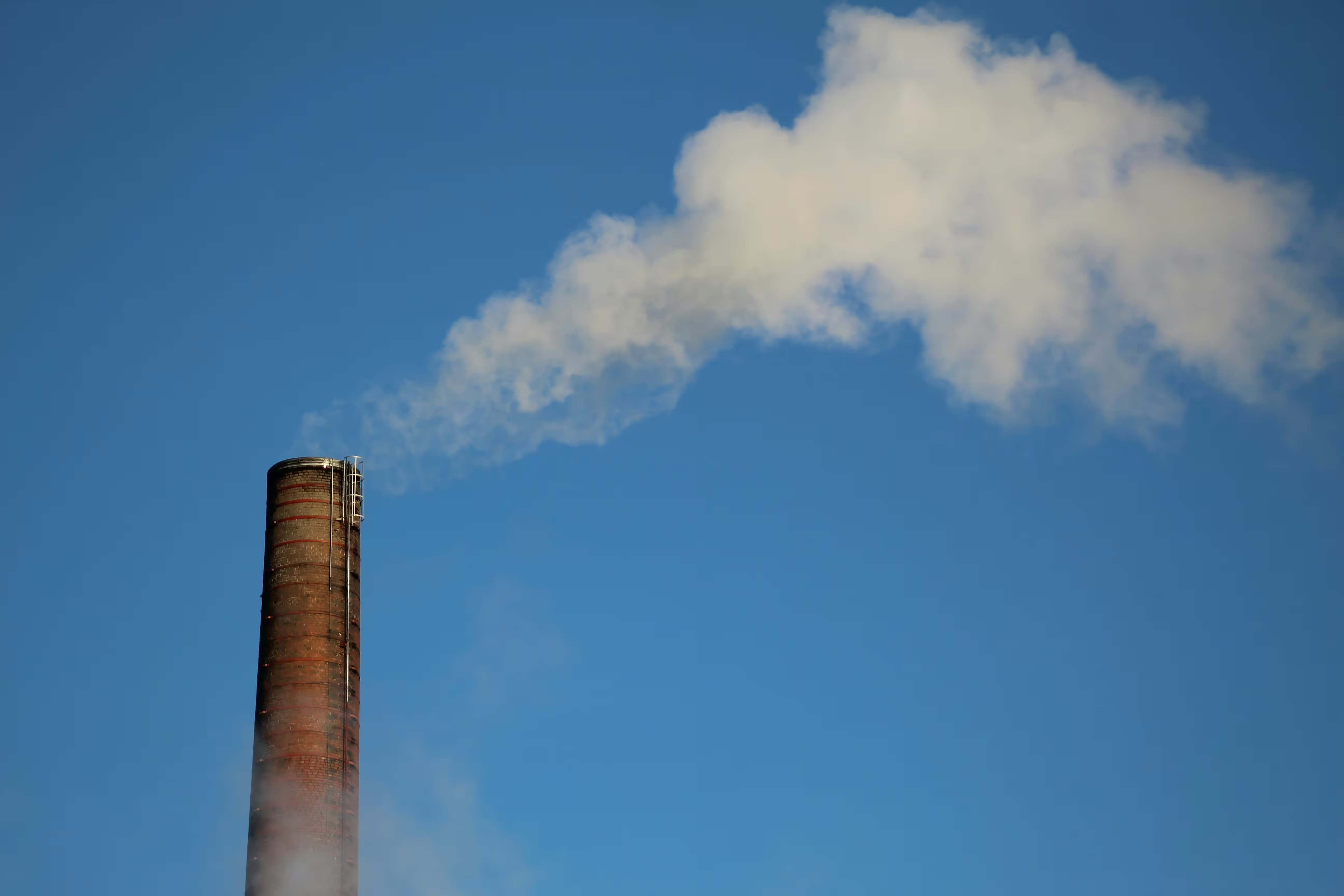
The Carbon Market Under Political Stress: Temporary Volatility or Paradigm Shift?
As European Union Allowance (EUA) prices recently tested a floor around €70, the market appears to be factoring in an unprecedented "political risk premium." Between Italy’s calls for suspension and Germany’s budgetary debates, are the fundamentals of the world's largest carbon market truly under threat? An analysis of the forces at play as the 2026 legislative review approaches.
June 18, 2026

Last news
.avif)
ESG: What is it? Our Complete Guide
ESG has become an essential criterion for evaluating companies and guiding investments. This comprehensive guide explains everything you need to know: definition of the three pillars (Environmental, Social, Governance), evaluation methodology, and concrete applications in business. We also address the limitations of ESG and alternatives that prioritize real environmental impact, such as carbon quotas.
October 3, 2025
.avif)
What's the Difference Between Stocks and Bonds?
Stocks and bonds are the pillars of many investment portfolios, but they differ fundamentally. Stocks represent a share of ownership in a company, offering high but uncertain return potential through dividends or capital gains. Bonds are debt instruments where the investor lends money in exchange for regular interest and capital repayment, offering more stability but lower returns. The choice between the two depends on your risk profile, investment horizon, and financial goals, with diversification often combining these two assets as the most recommended strategy.
January 30, 2026
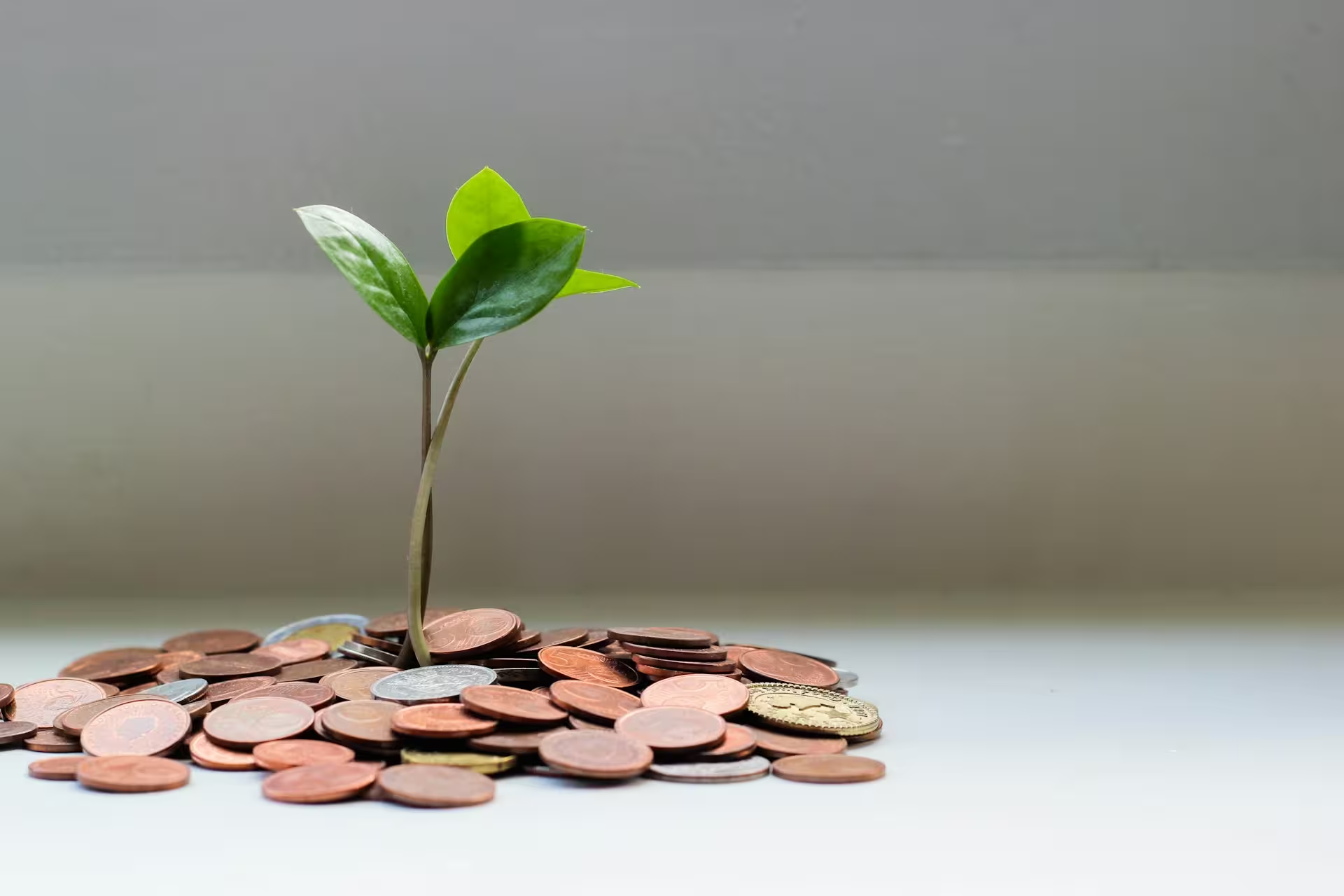
Green Savings: A Practical Guide to Impactful & Informed Investing
Popular among the French, green savings allow individuals to support the ecological transition without sacrificing financial returns. However, to choose the right savings product and avoid the pitfalls of greenwashing, it is essential to be informed. The reward: savings that are performing, resilient, and have a measurable environmental impact.
January 6, 2026

Sustainable ETFs: How to Invest in Responsible Funds in 2026
Looking for the best Green funds for 2026? We've ranked the top 10 Sustainable ETFs based on performance, fees, and impact. Find out which funds made the cut and how to combine them with Carbon Allowances for a truly diversified portfolio.
February 6, 2026

Where to Invest Your Money Outside of Banks
This article shows you how to invest outside traditional banks for better returns and control, especially since standard savings accounts often lose to inflation. It covers key factors like your goals, risk tolerance, taxes, and liquidity. You'll find diverse non-bank options, including real estate (direct, SCPIs, crowdfunding), gold, non-bank life insurance and ETFs, and cryptocurrencies. The article also highlights green and sustainable investments (ISR funds, green ETFs, bonds, eco-crowdfunding, greentech FCPRs) and introduces the Carbon Market (ETS), explaining how platforms like Homaio offer direct CO₂ reduction. Ultimately, it's a guide to diversifying your wealth and securing your financial future beyond the banking system.
February 6, 2026

Emission Rights: How it Works and What is at Stake for Investors and the Environment
This article explains emission rights and carbon markets, a vital tool for reducing greenhouse gas emissions. What you'll gain from reading it: 1) Clear Understanding: Grasp what carbon markets (ETS) truly are, dispelling myths, and how they differ from carbon credits or taxes. 2) Market Insights: Learn about the pioneering EU ETS's success and global market expansion (e.g., China). 3) Impact & Challenges: Understand their effectiveness in driving decarbonization, along with key limitations and future developments like the EU's CBAM. 4) Investment & Business Opportunities: Discover how carbon markets create value for businesses through decarbonization and offer new, impactful investment avenues.
January 27, 2026


Everything you need to know about the Carbon Border Adjustment Mechanism (CBAM)
The Carbon Border Adjustment Mechanism (CBAM) is the European Union's new tool to level the playing field between European and foreign producers by applying a carbon price to imported goods. It targets emissions-intensive sectors (steel, cement, aluminum, fertilizers, etc.) and aims to prevent carbon leakage while accelerating global carbon pricing. Its gradual implementation began with a reporting phase (2023–2025), ahead of the mandatory purchase of certificates starting in 2026. CBAM is already influencing European carbon allowance prices through "proxy hedging" strategies.
January 30, 2026