
Latest news

What are the main drivers of the EUA price?
EU Allowance (EUA) prices are driven by supply and demand. EUA supply is intentionally decreasing to drive long-term price appreciation for green finance, while demand fluctuates in the short and medium term based on factors like energy prices, economic conditions, weather, and technological advancements. This makes EUAs potentially suitable for long-term investing in renewable energy despite short-term volatility.
August 12, 2024
Why were EUA prices so low until 2018?
Initially, the EU ETS faced low carbon allowance prices due to oversupply from overestimated emissions caps, the 2008 financial crisis, and the use of cheaper international credits. This structural oversupply kept prices low for a long period, but adjustments have since tightened the market for carbon allowances/carbon exchange.
August 12, 2024
What is the difference between EUA spot contracts and EUA futures?
EUA futures are financial derivatives used for speculation, whereas EUA spot contracts are the actual financial tool driving the EU's carbon policy, enabling direct participation in the carbon market for ecological investment and responsible investing. Spot contracts, though smaller in volume, are key to the EU's decarbonization efforts.
August 12, 2024
What made EUA prices increase between 2018 and 2022?
Between 2018 and 2022, carbon prices significantly increased due to the implementation of the Market Stability Reserve (MSR), the designation of EUAs as financial instruments, a strengthened EU climate agenda, and rising industrial production, leading to higher demand for EUAs and incentivizing decarbonization, impacting ethical investment and responsible investing. The EU ETS became a more effective decarbonization tool.
August 12, 2024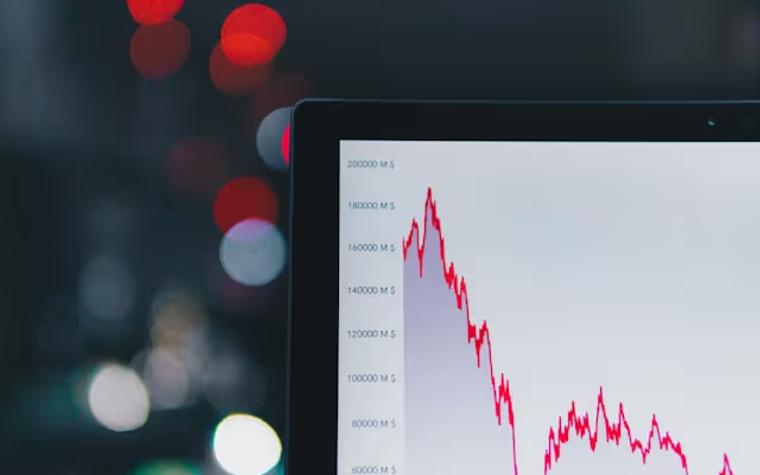
Why did EUA prices fall so much at the end of 2023 and the begining of 2024?
European Union Allowance (EUA) prices fell sharply due to temporary factors like the REPowerEU plan, energy market dynamics, and decreased industrial activity. The market's short-sighted focus on these factors caused an overreaction, but prices are now recovering as long-term decarbonization fundamentals reassert themselves, making it an opportunity for ethical investment and green finance. This presents opportunities within the European carbon market and for purchasing carbon allowances for impact investment.
August 12, 2024
What are the historical EUA financial returns?
EUAs (European Union Allowances) offer opportunities for responsible investing in the carbon market. Investing in EUAs can yield financial returns, support carbon reduction, and promote green finance. The EU ETS market is designed to gradually reduce carbon emissions and achieve carbon neutrality.
August 12, 2024
Is the EU ETS a volatile market?
EU carbon allowances (EUAs) exhibit moderate short-term volatility due to demand-side factors, but their declining supply supports long-term price appreciation, making them potentially suitable for long-term sustainable investment strategies. Increased market participation can further stabilize the EUA market.
August 12, 2024
How big is the EU ETS as a financial market?
The European Union Emissions Trading Scheme (EU ETS) is a booming carbon market with massive trading volumes, particularly in European Union Allowances (EUAs), attracting more participants and supporting public investment in climate policies, making carbon allowances a major commodity.
August 12, 2024
An introduction to the correlation of EUAs with other assets
Investing in carbon allowances (EUAs) offers portfolio diversification and protection against market swings due to their low correlation with other assets. EUAs can act as an inflation hedge and are engineered for long-term price appreciation, making them a valuable addition to a well-diversified green portfolio.
August 12, 2024