
Climate & decarbonisation
Our articles on decarbonisation and EU climate policy

What is the RepowerEU plan?
The RepowerEU plan aims to achieve energy independence from Russia and transition to sustainable sources in the EU by increasing renewable energy usage, enhancing energy efficiency, and phasing out fossil fuels with a total investment of EUR 300 billion in green investment. Key initiatives include doubling solar capacity, deploying heat pumps, and boosting biomethane production, as well as responsible investing in enhanced power grids.
May 24, 2024
IRIS - Greece
The EU-funded IRIS project aims to decarbonize a Greek refinery using carbon capture, utilization, and storage (CCUS) technologies, reducing CO2 emissions and producing e-methanol, contributing to climate neutrality targets and creating jobs. This responsible investment in green finance will help avoid millions of tons of CO2 emissions.
May 15, 2024
MaPrimeRénov’ - France
MaPrimRénov is a French government program offering financial assistance to homeowners for energy renovation work, aiming to improve energy efficiency and reduce emissions, contributing to the country's carbon neutrality goals. The program supports investments in sustainable development.
May 15, 2024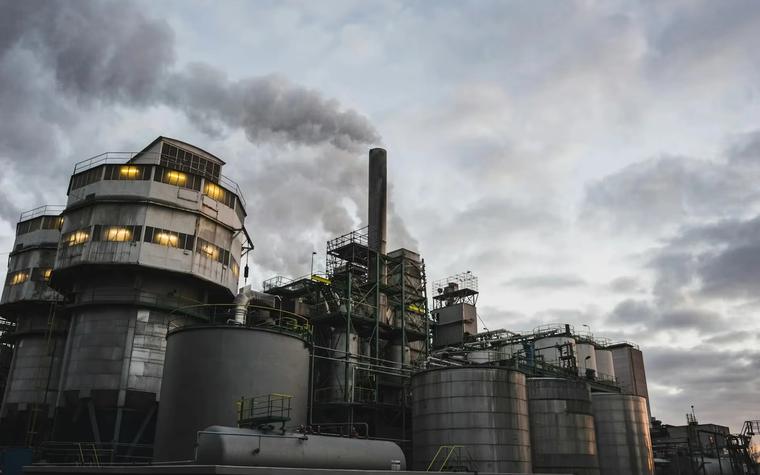
EVEREST - Germany
The EVEREST project aims to cut CO2 emissions in lime production by 70% using improved calcination and carbon capture technology, contributing to Germany's climate goals and promoting green finance. The project focuses on eco-responsible investment and creating a green portfolio.
May 15, 2024
MACC Curve: Definition, Examples & Investment Guide
The Marginal Abatement Cost Curve (MACC) helps governments and businesses prioritize investments in green technologies and carbon reduction strategies, such as renewable energy, sustainable investment and carbon allowances, to achieve emission reduction targets within the EU ETS framework. Rising carbon prices make investing in decarbonization more financially viable for companies committed to ethical investment and sustainable development.
April 30, 2024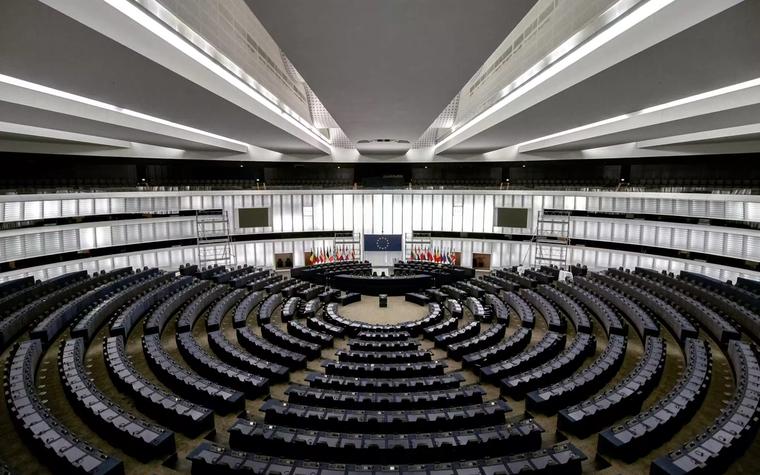
What to expect from the 2024 European Union Elections?
EU citizens will elect Parliament representatives in June, influencing climate policies and the EU budget. Polls suggest a possible shift to the right, potentially reducing environmental ambition. Voting is crucial to shape a sustainable European Union.
April 23, 2024
What is the difference between carbon taxes and emissions trading schemes?
Carbon taxes and emissions trading schemes (ETS) are carbon pricing strategies, with ETS covering more global CO2 emissions. While taxes are simpler to implement, ETS offer more certainty in emissions reductions and align better with mitigation goals for green finance and responsible investment. Investing in carbon allowances and understanding the European carbon market are key aspects of this evolving landscape.
April 16, 2024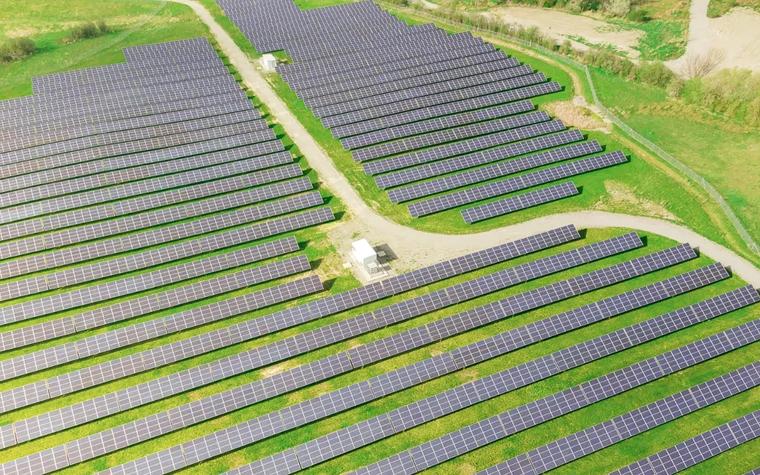
Climate & Finance: Unlocking Mutual Benefits
Climate finance is crucial for bridging the funding gap needed to combat climate change, requiring coordination between public and private sectors. Addressing negative externalities through financial regulation, like carbon pricing and the EU ETS, can incentivize decarbonization and make sustainable investments lucrative. Individual investors can now participate in carbon markets, contributing to climate solutions through platforms like Homaio.
March 20, 2024
The EU 2040 Climate Ambitions: A Critical Recap
The EU announced its 2040 climate targets, aiming for a 90% net reduction in greenhouse gas emissions, sparking debate about ambition levels and the role of carbon management strategies. Critics worry the targets are too easily achievable and politically cautious, potentially impacting responsible investment and sustainable development. Achieving these targets requires significant green finance and investments in renewable energy and impact companies.
February 8, 2024