
Latest news

How to use the MACC marginal abatement cost curve to know the impact of my investment?
Understand carbon abatement cost curves (MACC) to prioritize cost-effective emission reductions and maximize the climate impact of investments. By understanding the MACC, investors can make informed decisions about investing in carbon allowances and sustainable technologies, driving demand and pushing the price of carbon higher, making emission-intensive practices costlier. This knowledge helps align financial and climate goals by timing investments based on EUA prices and technological advancements.
June 14, 2024
Greenhouse gas emissions trading scheme and energy markets: how does one affect the other?
Energy prices and fuel switching significantly influence the EU ETS carbon allowance price; lower gas prices reduce emissions and permit demand, while higher prices increase them. Expect sustained gas prices in 2024 to drive EUA prices upward, presenting an opportunity for investing in the stock market.
June 7, 2024
Can I permanently delete carbon allowances?
Deleting carbon allowances permanently reduces the carbon budget, combating climate change. Anyone can cancel allowances, and holding them before canceling maximizes impact on responsible investing and green finance. This is a form of impact investment in the European carbon market.
June 7, 2024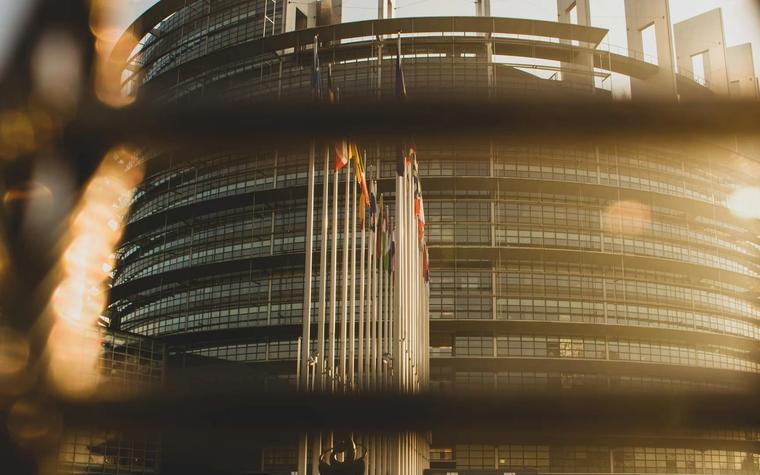
Will the EU 2024 elections impact carbon emissions allowances prices?
The EU 2024 elections and resulting parliamentary shifts could influence climate policy, but drastic changes to the EU ETS and carbon allowance prices are unlikely due to the established market and legislative processes. While political risk has impacted EUA prices, the elections are expected to reduce uncertainty, potentially leading to a bullish trend in carbon allowance markets and impacting ethical investments and green finance.
June 7, 2024
Are free allowances bad for the efficacy of the EU ETS?
The EU ETS is phasing out free carbon allowances after 2024, which may increase EUA demand and prices, incentivizing investments in emission reduction and decarbonization efforts. While the Carbon Border Adjustment Mechanism (CBAM) protects against carbon leakage, some advocate for a faster phase-out to maximize incentives for green investment and responsible investing. This shift aims to align with the "polluter pays" principle and encourage a green portfolio.
May 31, 2024
What is the link between the RepowerEU plan and the EU ETS?
The RepowerEU plan, designed to enhance energy independence and sustainability through green finance, is partly funded by carbon allowance sales. However, injecting allowances into the market to get funds has caused prices to drop, leading to a shortfall in expected revenues for this responsible investment and sustainable investment plan, even though the EU ETS will recover. This has impacted climate finance initiatives, despite efforts towards carbon neutrality and the use of green bonds.
May 31, 2024
Does the EU ETS hurt the European industry?
The EU ETS, covering industry, power, aviation, and maritime sectors, reinvests carbon emission revenues into green projects, aiming to decarbonize industry while maintaining competitiveness. Future focus involves strategically directing EUA auction proceeds towards EU industrial decarbonization efforts. The system promotes responsible investing and green finance through carbon allowances and emissions reduction.
May 28, 2024
Are politicans commited to the EU ETS?
The EU ETS is considered a successful and resilient tool for reducing emissions, backed by political commitment and sophisticated mechanisms, and is being promoted as a global model for carbon pricing and green finance. Politicians see the EU ETS as a crucial economic instrument driving climate action and long-term sustainable investment.
May 24, 2024
What is the RepowerEU plan?
The RepowerEU plan aims to achieve energy independence from Russia and transition to sustainable sources in the EU by increasing renewable energy usage, enhancing energy efficiency, and phasing out fossil fuels with a total investment of EUR 300 billion in green investment. Key initiatives include doubling solar capacity, deploying heat pumps, and boosting biomethane production, as well as responsible investing in enhanced power grids.
May 24, 2024